

Vector-borne diseases such as malaria and Zika continue to pose significant global health threats. According to the World Health Organization (WHO) Global Malaria Programme, universal coverage with vector control interventions—primarily Long-Lasting Insecticidal Nets (LLINs) and Indoor Residual Spraying (IRS)—remains a cornerstone for reducing disease burden and transmission. However, to achieve a truly malaria-free and Zika-free future, the global health community requires solutions that guarantee prolonged, unwavering protection.
The Escalating Urgency: Recent Global Data
Despite decades of intervention, the global fight against vector-borne diseases is facing alarming setbacks. Recent data indicates that relying on easily degradable, surface-coated nets is no longer sufficient to combat these resilient diseases.
The Rising Burden of Malaria
-
Globally in 2024, there were an estimated 282 million malaria cases reported across 80 countries.
-
This marks an increase of about 9 million cases (a 3% rise) compared to 2023.
-
The estimated number of global malaria deaths also increased, reaching 610,000 in 2024 compared to 598,000 the previous year.
-
The WHO African Region carries a disproportionately high burden, accounting for 95% of both global malaria cases and deaths in 2024.
-
Within this region, children under 5 years of age are incredibly vulnerable, accounting for approximately 75% to 76% of all malaria fatalities.
The Persistent Threat of Zika
-
While massive global outbreaks have declined since 2017, Zika virus transmission persists at low levels across the Americas, Asia, and Africa.
-
The WHO emphasizes that sustained vigilance, integrated preparedness, and reliable vector control remain critical to managing this persistent transmission risk.
With malaria cases trending upward and Zika transmission continuing to pose risks, the physical and chemical longevity of LLINs is paramount. Coverage gaps created when traditional nets lose their efficacy between replacement cycles actively cost lives.
Aligning with WHO Durability and Coverage Mandates
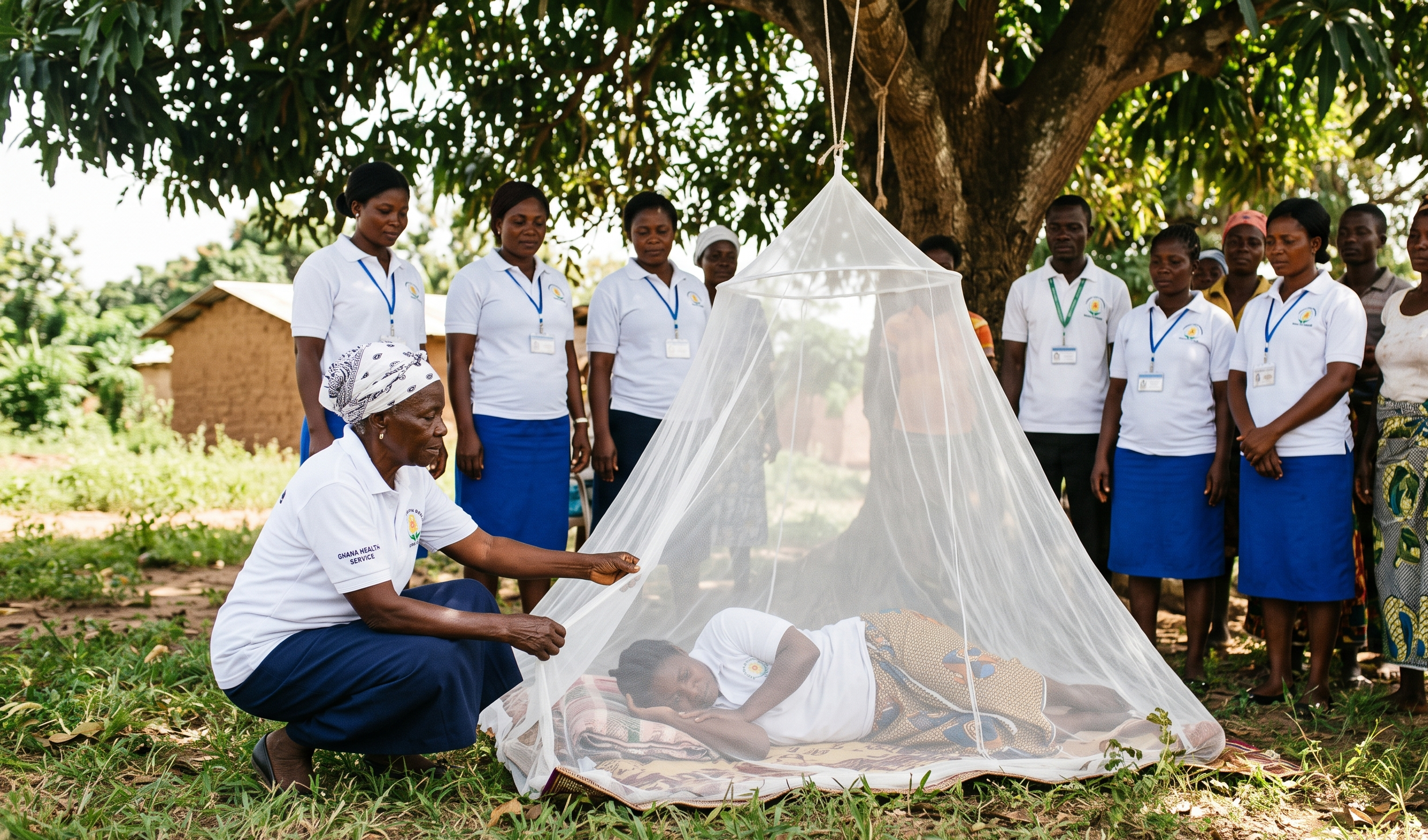
WHO Recommendations for LLINs
To maintain effective protection across populations at risk, WHO guidelines emphasize the importance of continuous distribution and mass campaign cycles (typically every three years). The WHO recommends achieving universal coverage by distributing 1 LLIN for every 1.8 persons in target populations.
However, the operational effectiveness of any LLIN campaign hinges heavily on the durability and longevity of the nets in actual field conditions. Nets that rapidly lose their active ingredient through washing or routine handling create early coverage gaps before scheduled replacement campaigns take place. Meeting these rigorous international standards requires net manufacturers to utilize established, proven, and dependable active-ingredient delivery systems.
Technical Reliability: Why HanskMB Delivers Proven Protection
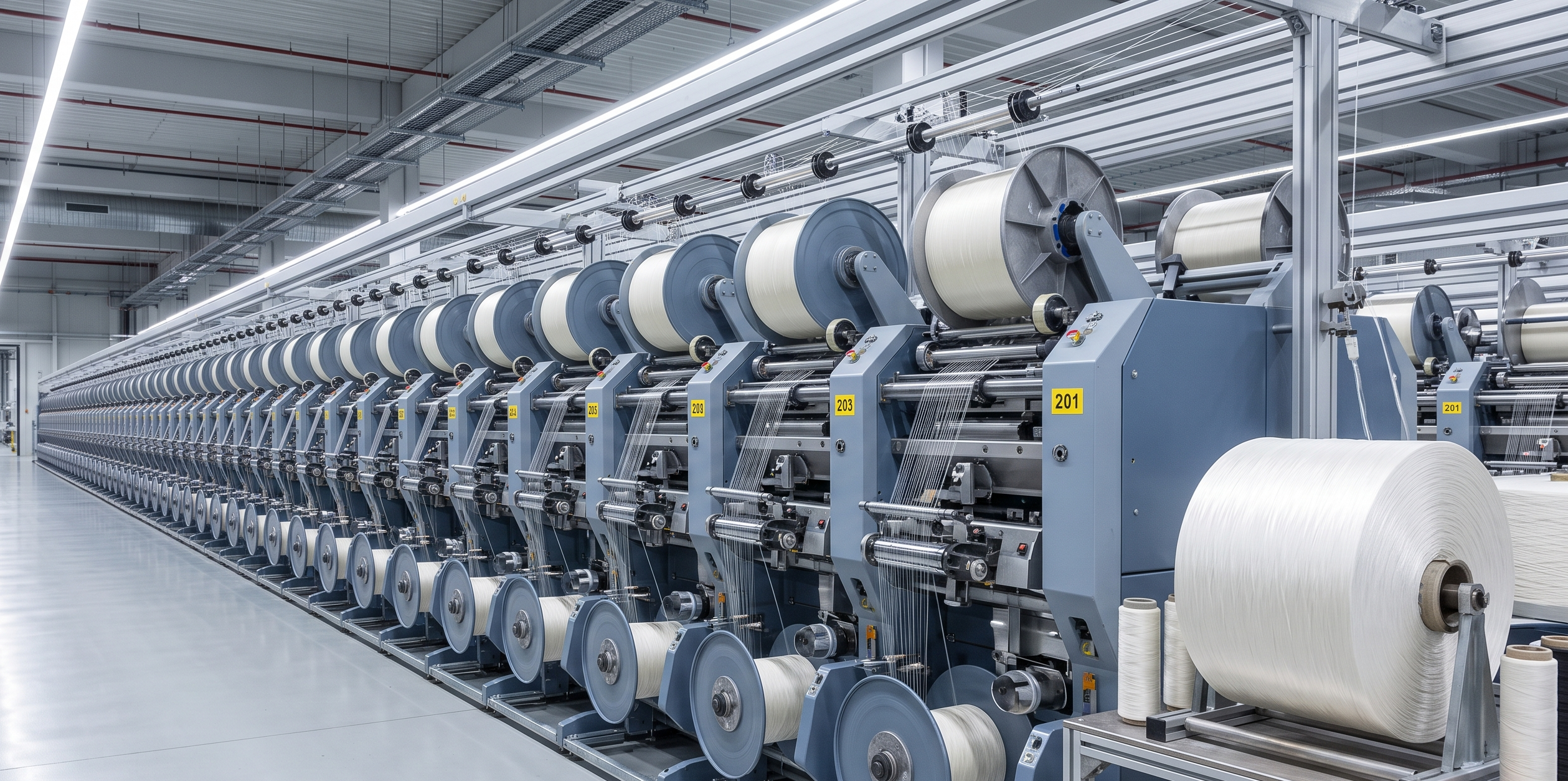
HanskMB Anti-Insect Masterbatch serves as a trusted, high-reliability technology foundation for LLIN production. It addresses the durability requirement at the raw material stage by embedding active ingredients—such as deltamethrin and alpha-cypermethrin—directly into the polymer matrix prior to yarn spinning, ensuring protection is integrated throughout the entire lifespan of the synthetic fiber.
-
Controlled Migration for Multi-Wash Retention: Surface-dipped or post-treated nets often experience rapid chemical loss after initial wash cycles. HanskMB utilizes a controlled-release mechanism within the polymer backbone. As active permethrin on the yarn surface is depleted through washing or contact, fresh active material migrates from the core to the surface at a regulated rate. This sustains continuous knockdown and mortality rates against Anopheles and Aedes mosquitoes over extended periods.
-
High Thermal Stability During Extrusion: In LLIN manufacturing, polymer resins undergo significant thermal stress during masterbatch blending and high-speed yarn spinning. Unstabilized active ingredients can volatilize or degrade under high processing temperatures. The HanskMB formulation provides thermal protection for the active ingredient, ensuring minimal degradation during extrusion and consistent active content across production batches.
-
Safe, Target-Specific Efficacy: Permethrin remains one of the most thoroughly evaluated and trusted synthetic pyrethroids for public health applications. HanskMB locks the active ingredient within the fiber core, reducing worker exposure during textile processing and minimizing environmental runoff during laundering, while maintaining high efficacy against vector populations (including midges and ticks).

By integrating anti-insect functionality directly into the LLIN, HanskMB masterbatch guarantees exceptional multi-wash durability and seamless manufacturing, empowering producers to exceed stringent WHO longevity standards, win lucrative global tenders, and deliver uncompromising protection against malaria and Zika.”
